← Back to Products

Graphite Susceptor

Custom graphite susceptors for SiC PVT, MOCVD, epitaxy, and vacuum furnace thermal-field assemblies.

Target Buyer:Equipment OEMs and process engineers specifying thermal coupling, wafer support, or furnace susceptor geometry.
Graphite susceptor for SiC PVT thermal field assemblies

Capability Highlights

  • Isostatic graphite and coating options
  • Thermal uniformity and resistivity matching
  • Custom pockets, slots, rings, and support interfaces

Typical Applications

  • SiC PVT thermal-field coupling
  • MOCVD and epitaxy wafer support
  • Vacuum furnace heating assemblies

Engineering Focus

  • Electrical resistivity and thermal uniformity
  • Pocket flatness, concentricity, and surface finish
  • Coating route selection for corrosive process environments

Key Evaluation Matrix

MetricTypical RangeWhy It Matters
Thermal UniformityDefined by furnace and geometryUniform heat transfer reduces process variation across wafer or crucible interfaces.
Surface FinishReviewed by drawing and wafer contact needSurface quality affects particle risk, seating, and coating performance.

RFQ Checklist

  1. Equipment model or furnace interface drawing
  2. Susceptor CAD, wafer pocket, ring, or support geometry
  3. Graphite grade, density, purity, and coating target
  4. Operating temperature, gas environment, and cleaning constraints
  5. Prototype quantity, annual forecast, destination, and timeline
Risk Controls

  • Localized hot spots: Align material grade, resistivity expectations, and geometry before machining.
  • Particle shedding: Specify cleaning, packaging, and optional coating requirements for the process environment.

RFQ Pricing, Shipping, and Returns

  • Pricing: Custom B2B quotes are prepared after drawings, material grade, coating scope, quantity, packing, and delivery plan are confirmed.
  • Shipping: Export packing, Incoterms, freight method, insurance, and delivery window are quoted per RFQ and destination.
  • Returns: Made-to-drawing graphite components do not use standard consumer returns; quality claims follow the approved quotation, contract, and inspection records.

Product Gallery

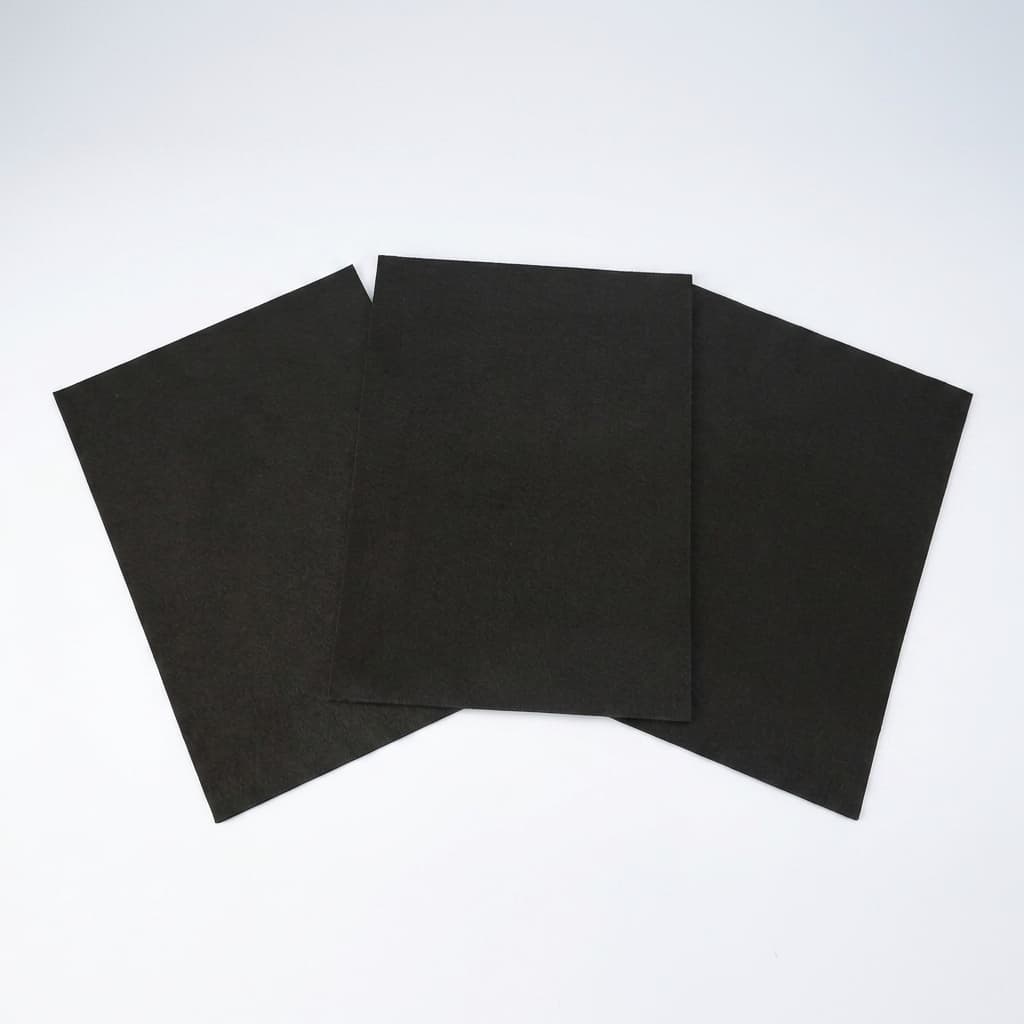
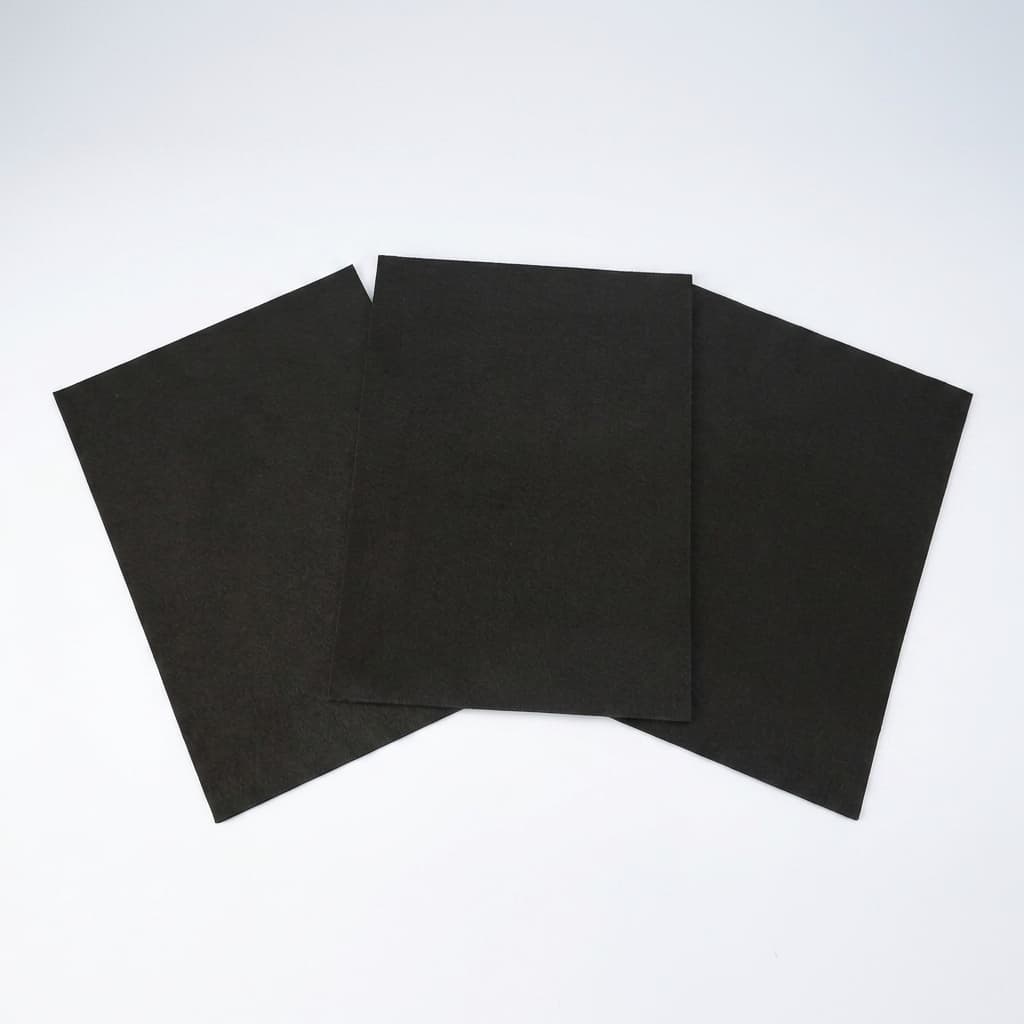
Custom graphite susceptor for crystal growth furnace use
Graphite susceptor assembly machined for semiconductor equipment
Precision machined graphite susceptor assembly for hot zones

Decision fit

Who should evaluate this

Equipment OEMs and process engineers specifying thermal coupling, wafer support, or furnace susceptor geometry.

Primary proof point

Thermal Uniformity

Defined by furnace and geometry

Uniform heat transfer reduces process variation across wafer or crucible interfaces.

RFQ trigger

Data needed first

  • Equipment model or furnace interface drawing
  • Susceptor CAD, wafer pocket, ring, or support geometry
  • Graphite grade, density, purity, and coating target

Selection and Acceptance Logic

Decision GateWhat Buyers Should CheckAcceptance Evidence
Use-case fitSiC PVT thermal-field coupling; MOCVD and epitaxy wafer support; Vacuum furnace heating assembliesApplication, furnace duty, and buyer-side validation goal are confirmed before material or process route selection.
Parameter baselineThermal Uniformity: Defined by furnace and geometry; Surface Finish: Reviewed by drawing and wafer contact needTarget ranges, report needs, and pass/fail criteria are written into the RFQ or sample approval plan.
Risk closureLocalized hot spots: Align material grade, resistivity expectations, and geometry before machining.; Particle shedding: Specify cleaning, packaging, and optional coating requirements for the process environment.Drawing notes, inspection scope, cleaning, coating, packaging, and traceability controls are agreed before repeat supply.
RFQ completenessEquipment model or furnace interface drawing; Susceptor CAD, wafer pocket, ring, or support geometry; Graphite grade, density, purity, and coating target; Operating temperature, gas environment, and cleaning constraintsEngineering can return a quote direction without avoidable loops for drawing, purity, coating, quantity, or delivery gaps.

Factory Execution Path

  1. 1

    Application and drawing review

    Confirm furnace duty, drawing revision, target purity, operating atmosphere, and replacement cycle before material selection.

  2. 2

    Material and process route

    Match isostatic graphite grade, purification depth, coating route, and machining allowance to the process risk.

  3. 3

    Precision manufacturing

    Machine graphite bodies, lids, rings, heaters, carriers, and insulation interfaces against the approved drawing pack.

  4. 4

    Inspection and export readiness

    Align dimensional checks, purity report format, cleaning, vacuum sealing, cushioning, and crate requirements before shipment.

Evidence Buyers Can Request

  • Graphite grade, density, and material batch confirmation
  • Ash, impurity, or coating report format aligned before sample approval
  • Critical OD, ID, thickness, thread, groove, and flatness checks
  • Cleaning, vacuum sealing, cushioning, and export crate plan for brittle graphite parts

Claim Boundaries

  • Ash limits, density windows, coating scope, and tolerance claims are confirmed by RFQ, material grade, geometry, and inspection method.
  • Service-life, equipment-fit, and semiconductor-process suitability should be validated in the buyer furnace before repeat production.
  • Certification or compliance documents are listed in the quotation package when available; they are not implied by catalog copy.

Inquiry Email

[email protected]

Attach DWG, STEP, or PDF drawings and include purity, tolerance, quantity forecast, and delivery country.

Instant Chat

WhatsApp Engineering Support

Use WhatsApp for quick engineering clarification before a formal quote.

Buyer FAQ

Can you make graphite susceptors by customer drawing?

Yes. We support custom susceptors, support rings, wafer carriers, and furnace interfaces based on CAD or 2D drawings.

Do susceptors need coating?

It depends on gas chemistry, temperature, wafer contact, and contamination limits. We review bare graphite, CVD SiC, or TaC routes by application.

Consult Engineering via WhatsApp